Animals

Dog

Cat

Rabbit

Birds

Sheeps & goats

Reptiles
Discover our expertise


Cardiology| Valve disorders
The heart valves ensure that blood flows in the correct direction. When they fail to close properly or become thickened, regurgitation or obstruction occurs, leading to impaired cardiac function.
The most common valve disorder in dogs is degenerative valvular insufficiency, most often affecting the mitral valve (MMVD). In this condition, blood leaks back into the atrium, placing an increased workload on the heart. Clinical signs include coughing, reduced exercise tolerance, and shortness of breath. The disease is chronic, but medication can slow its progression and alleviate symptoms.


Cardiology| Cardiac arrhythmias
Disorders of heart rhythm impair cardiac efficiency and may lead to dizziness, fainting, or sudden weakness.
Arrhythmias such as atrial fibrillation or ventricular premature complexes (VPCs or PVCs) arise from abnormalities in the heart’s electrical conduction system. They may occur as primary conditions or secondary to underlying heart disease. Diagnosis is performed using ECG or Holter monitoring. Treatment ranges from medical therapy to pacemaker implantation, depending on the type and severity.


Cardiology| Heart failure & myocardial diseases
When the heart is unable to pump sufficient blood, heart failure develops. The underlying cause is often structural abnormalities of the heart muscle or valves.
Heart failure results from reduced pumping capacity, leading to fluid accumulation in the lungs or abdominal cavity. Typical signs include coughing, rapid breathing, decreased appetite, and weakness. Treatment includes diuretics, ACE inhibitors, and other medications to reduce cardiac workload and optimize circulation.
In dilated cardiomyopathy (DCM), heart muscle fibers weaken, causing the heart chambers to dilate and pumping ability to decline. This condition primarily affects large dog breeds. Early diagnosis through echocardiography is essential, as timely treatment can prolong survival.
Hypertrophic cardiomyopathy (HCM) is the most common heart disease in cats. The heart muscle thickens, reducing chamber volume and impairing filling. This can lead to shortness of breath or thromboembolic events. Treatment focuses on lowering heart rate and improving myocardial relaxation.

Cardiology| Congenital abnormalities
Some animals are born with structural heart defects that disrupt normal circulation. Early detection and surgical correction can be life-saving.
A patent ductus arteriosus (PDA) is an open connection between the aorta and the pulmonary artery that normally closes after birth. This causes volume overload of the heart and leads to heart failure if left untreated. Correction via catheter-based intervention or surgery usually results in complete recovery. A persistent right aortic arch (PRAA) causes swallowing difficulties due to compression of the esophagus and can be surgically corrected.
Cardiology| Pericardium & pleura
Fluid accumulation around the heart or within the thoracic cavity interferes with normal breathing and blood circulation.
Pleural effusion is the accumulation of fluid within the thoracic cavity, often due to heart failure, inflammation, or neoplasia. This results in respiratory distress. Diagnostic evaluation includes radiography, ultrasound, and fluid aspiration. Treatment involves pleural drainage or placement of a thoracic port (pleural port) in chronic cases.

Cardiology| Diagnostics
Diagnosis of cardiac disease relies on a combination of imaging, electrical measurements, and clinical evaluation.
Echocardiography is the most important diagnostic modality in veterinary cardiology. It provides detailed visualization of valve structures, blood flow, and myocardial function. Doppler analysis allows assessment of pressure gradients and regurgitation, which is crucial for accurate diagnosis.
An ECG records the electrical activity of the heart and identifies rhythm and conduction abnormalities. In cases of prolonged or intermittent clinical signs, 24-hour Holter monitoring may be used.
Elevated blood pressure (hypertension) is most commonly seen in cats with renal or thyroid disease and places additional strain on the heart. Accurate measurement helps prevent secondary damage and allows evaluation of therapeutic efficacy.


Dermatology| Allergies & skin problems
Allergies and related skin problems account for a large proportion of dermatological cases in pets. Allergic reactions, whether caused by food or environmental factors such as pollen or house dust mites, are a common trigger of skin complaints. These problems often manifest as itching, redness, hair loss, or skin inflammation. Correct identification of the underlying cause is essential for targeted treatment and for improving the animal’s comfort.
Allergies are hypersensitivity reactions of the immune system to specific substances (allergens) from the environment or diet. In dogs, atopic dermatitis (environmental allergy) is one of the most common skin diseases; an estimated 10–15% of dogs suffer from allergic skin conditions. Animals with allergies often show intense itching and red, irritated skin, and ear infections or secondary infections are also frequently present. Management includes reducing exposure to allergens (for example, flea control or dietary changes), suppressing itch and inflammation with medication such as antihistamines or corticosteroids, and, where possible, desensitization through allergen-specific immunotherapy.
Itchy skin (pruritus) is one of the most common symptoms of dermatological problems in animals. Pets affected by pruritus frequently scratch, bite, or lick themselves, which can lead to redness, sores, and eventually areas of hair loss. Pruritus has many possible causes: parasites (such as fleas or mites) and allergies are common, but bacterial or fungal infections may also contribute. Addressing the underlying cause is essential, in addition to providing temporary relief with anti-pruritic treatments, so that scratching stops and the skin can heal.
Hair loss (alopecia) occurs when fur is lost in certain areas, leaving the skin visible. This may be localized or generalized and has various causes. Common reasons include chronic scratching or biting due to itch (for example, flea allergy or mange), fungal infections such as ringworm, or hormonal disorders (such as thyroid disease or Cushing’s disease). The skin in affected areas may appear red, scaly, or thickened. Effective treatment requires identifying and addressing the underlying cause, such as eliminating parasites, treating infection, or correcting hormonal imbalance, so that hair regrowth can occur.
Scaling skin and skin inflammation (dermatitis) often indicate disruption of normal skin health. Scaling (dandruff) results from accelerated shedding of the skin or accumulation of dead skin cells, as seen for example in seborrhea or after prolonged irritation. Dermatitis is usually accompanied by redness, warmth, swelling, and itching, and may be caused by allergies, infections, or a combination of both. Bacteria or yeasts often act as secondary invaders on already irritated skin, allowing a simple allergy to progress into a more extensive skin infection. Treatment focuses on eliminating the triggering cause (such as avoiding allergens or treating infection) as well as symptomatic skin care, for example with medicated shampoos to reduce scaling and anti-inflammatory topical treatments.


Dermatology| Infections & parasites
Infections and parasites are common causes of skin problems in animals. They can lead to a wide range of dermatological complaints, from localized inflammation to generalized itching and hair loss. Bacterial or fungal skin infections often develop secondarily, for example after damage caused by scratching, while parasites such as fleas, mites, or ticks can directly trigger irritation and allergic reactions. Early detection and treatment of these infectious causes are important to prevent minor issues from progressing into severe skin disease.
Ear infection (otitis externa) is a common problem, particularly in dogs, affecting an estimated 7–16% of dogs and approximately 4% of cats. Animals with otitis often show signs such as redness of the ear pinna, head shaking, pain on touch, and scratching at the ear. In most cases, external ear infection is secondary to an underlying cause, such as allergies, ear parasites (ear mites), or hormonal disorders. Bacteria and yeasts readily proliferate in the inflamed ear canal, worsening clinical signs by producing discharge and an unpleasant odor. Treatment consists of thorough cleaning of the ear canal and the use of ear drops with anti-inflammatory and antimicrobial properties. Addressing the underlying cause is essential to prevent recurrence.
Parasites such as fleas, mites, and ticks are a frequent source of skin complaints. Fleas often cause intense itching and may trigger an allergic reaction in sensitive animals (flea allergy dermatitis), leading to scratching, red papules, and crusts, especially on the back, abdomen, and base of the tail. Mites are microscopic arachnids that can cause various skin conditions. Sarcoptes mites cause severe itching and crusting dermatitis (sarcoptic mange), while Demodex mites inhabit hair follicles and may lead to hair loss and sometimes inflammation (demodicosis). Ear mites (Otodectes cynotis) reside in the ear canal and cause brown, crumbly discharge and pruritus. Ticks attach to the skin, causing local irritation and potentially transmitting infectious diseases. Prevention and control of parasites are essential and include regular flea and tick prevention as well as appropriate treatment, such as medicated shampoos, spot-on products, or oral medications, when a parasitic infestation is diagnosed.
Bacterial skin infections occur when bacteria penetrate the skin and cause inflammation with pus formation, a condition also known as pyoderma. Staphylococcal bacteria are the most common pathogens involved in skin infections in dogs and cats. These infections may present as red papules, pustules, crusts, or moist lesions, often accompanied by itching. Bacterial skin infections frequently develop secondarily, for example after self-trauma from scratching or when the skin barrier is compromised by another dermatological condition. Treatment involves targeted antimicrobial therapy, such as antibacterial shampoos or systemic antibiotics in severe cases, along with addressing the underlying cause to prevent recurrence.
Fungal skin infections are caused by dermatophytes, fungi that affect the skin, hair, or nails, or by yeasts. A well-known dermatophyte infection is ringworm in dogs and cats, which causes circular areas of hair loss with scaling and crusting. Ringworm is most commonly caused by fungi of the genus Microsporum, such as Microsporum canis, or Trichophyton species, and is zoonotic, meaning it can be transmitted to humans. Yeast infections, such as Malassezia dermatitis, also occur and result from overgrowth of normal skin yeasts, leading to red, greasy, and itchy skin, often in areas such as the groin, armpits, ears, or skin folds. Fungal infections are treated with antifungal therapies, which may be topical, for example shampoos, ointments, or sprays, and or systemic oral medication, depending on severity. In cases of ringworm, environmental hygiene is particularly important, as fungal spores can persist in the environment and cause reinfection.

Dermatology| Systemic causes
Some skin problems are caused by underlying systemic conditions, meaning the issue does not originate primarily in the skin itself but rather from a general disease or abnormality within the body. Two important groups are hormonal disorders and immune-mediated diseases. Such conditions may present with signs such as hair loss, changes in skin thickness or color, and wounds or crusts that heal poorly. Recognizing a systemic cause is crucial, as the skin can only recover once the underlying disease is treated.
Hormonal disorders (endocrine diseases) can have pronounced effects on the skin and coat of animals. A well-known example is hypothyroidism in dogs, in which symmetric hair loss often occurs, the coat becomes dry and dull, and the skin thickens and develops hyperpigmentation. Another example is hypercortisolism (Cushing’s syndrome), characterized by excessive production of the stress hormone cortisol. Dogs with Cushing’s disease often have thin, fragile skin with symmetrical hair loss on the trunk, sometimes accompanied by visible blood vessels and numerous comedones. Wounds tend to heal slowly, and calcification of the skin may occur. Imbalances in sex hormones can also result in hair loss or skin discoloration. Treatment of hormonally induced skin disease focuses on correcting the hormonal imbalance, for example through medication or surgery, after which skin abnormalities usually improve gradually.

Dermatology| Skin lumps & tumors
Skin lumps (bumps or masses) in animals represent a very heterogeneous group of conditions. A “lump” can range from a harmless cyst or fatty mass to a more serious tumor, and in some cases it may involve an inflammatory process such as an abscess or granuloma. Based on appearance alone, it is often impossible to determine the nature of a lump; therefore, accurate identification is essential for proper management. Veterinarians will often perform additional diagnostics, such as fine-needle aspiration for cytological examination or a biopsy, to determine the nature of the lesion. Only after such evaluation can it be decided whether a watchful waiting approach is sufficient, in cases of clearly benign swellings, or whether surgical removal or further treatment is required.
The term skin mass refers to any abnormal lump or growth in or on the skin. This may be a benign lesion, such as a lipoma (fatty tumor) or a sebaceous cyst, but it can also be a malignant skin tumor, such as a mast cell tumor or melanoma. Non-neoplastic processes, such as inflammatory swellings or abscesses, may also appear mass-like. To determine the type of skin mass involved, the veterinarian will often collect cells from the lesion using a needle (fine-needle aspiration) or obtain a tissue sample via biopsy for examination. Based on the results, an appropriate treatment plan can be developed. Some harmless masses may be monitored, but in most cases surgical removal is recommended, especially for rapidly growing or malignant tumors.
Certain skin conditions or lesions require surgical treatment or specialized procedures. This category includes problems involving accumulations or damage that do not resolve spontaneously, or anatomical abnormalities that continuously cause skin issues. Examples include an ear hematoma, a subcutaneous abscess, or skin folds that become chronically inflamed. In such cases, timely surgical intervention can greatly promote healing and prevent recurrence.
An ear hematoma, also known as an aural hematoma or “blood ear,” is a collection of blood within the ear flap. A blood vessel inside the ear ruptures, causing blood to accumulate between the skin and cartilage, resulting in a soft, fluid-filled swelling. Ear hematomas usually develop as a result of vigorous head shaking or scratching due to ear pain or severe itch, for example from an ear infection or ear mite infestation. The ear becomes thickened and balloon-like and can be painful. Treatment typically involves surgically opening and draining the blood pocket, followed by placement of sutures or a pressure bandage to allow the skin to reattach to the cartilage. The underlying cause, such as an ear infection, must always be treated to prevent recurrence.
An abscess is a pus-filled cavity beneath the skin caused by a localized bacterial infection. In dogs and cats, abscesses often develop after bite wounds or other penetrating injuries, allowing bacteria to enter deep tissues and form a localized inflammatory response. This inflammation matures into a cavity filled with pus, consisting of bacteria, dead cells, and tissue debris. An untreated abscess may eventually rupture and drain externally, but it rarely heals completely on its own and often recurs as long as the source of infection remains.
In some breeds, such as Pugs, Bulldogs, or Shar-Peis, deep skin folds - for example facial wrinkles over the nose or a heavy tail fold - can lead to chronic irritation and skin inflammation. These folds are often warm and moist, creating an ideal environment for bacteria and yeasts that cause itching and infection. A well-known example is the nasal fold in Pugs, which frequently leads to painful skin inflammation and may require surgical removal. Skin fold resection involves excising the excess skin and suturing the edges together to create a smoother surface. This procedure is only performed when cleaning and topical treatments are insufficient and the animal suffers from persistent inflammation. After removal of the skin fold, the skin usually heals well and chronic symptoms resolve, significantly improving the animal’s quality of life.


Diagnostic imaging| Radiography
Radiography is one of the most commonly used techniques to obtain an initial assessment of the skeleton, thorax, or abdomen. Here you can learn more about the applications and variants of this examination.
Standard radiographs provide rapid insight into bony structures and organ positioning. They are frequently used to detect fractures, pulmonary abnormalities, and changes within the thoracic or abdominal cavity. The examination is widely applicable and relatively quick to perform. Radiography often represents the first step in the diagnostic process.


Diagnostic imaging| Ultrasound
Ultrasound uses sound waves to create detailed images of organs, muscles, and blood vessels. In this section, you can read how this technique is applied in veterinary medicine.
A standard ultrasound examination provides insight into the organs of the abdomen and thorax. Abdominal and thoracic ultrasound allow assessment of organ structure, size, and blood supply. The examination is non-invasive and can be performed in real time. Ultrasound is an important tool for establishing an accurate diagnosis.
Ultrasound is a safe and reliable method for confirming pregnancy in various animal species. The examination allows assessment of the presence and development of embryos. It can also provide information on viability and progression of pregnancy. Pregnancy diagnosis supports appropriate monitoring throughout gestation.

Behavior| Anxiety & stress
Anxiety and stress are natural responses, but they become problematic when they are too intense or persist for long periods. They can lead to avoidance behavior, aggression, or physical complaints. Behavioral assessment and tailored therapy help identify the underlying cause and reduce anxiety.
Separation anxiety is common in dogs that experience panic when left alone. Typical signs include barking, restlessness, destructive behavior, or house soiling in the owner’s absence. Treatment consists of behavior therapy focused on gradual habituation to being alone, combined with predictable routines and, in some cases, pharmacological support.
Loud noises such as thunderstorms or fireworks can trigger intense fear responses. Animals may tremble, attempt to flee, or hide. Desensitization and counterconditioning help the animal learn to cope with these stimuli. In severe cases, short-term calming medication may be used alongside training.

Behavior| Aggression
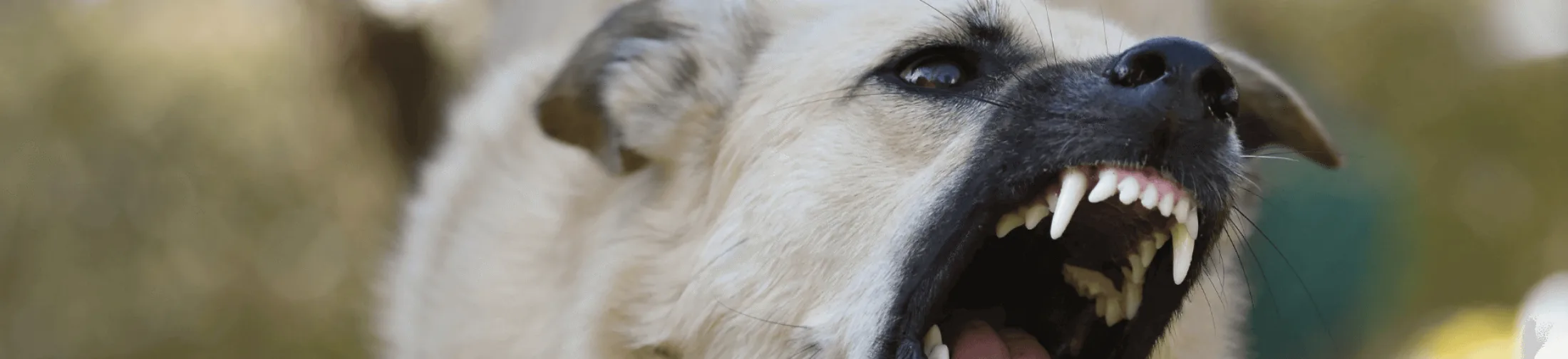
Aggression is a complex behavioral pattern with diverse causes, ranging from fear and pain to territorial or social tensions. A thorough behavioral assessment is essential to determine the type of aggression and to implement a safe and effective treatment plan.
Aggression toward people may arise from fear, defensive behavior, pain, or dominance-related triggers. Management focuses on recognizing warning signals, avoiding provocation, and rebuilding trust through controlled interactions.
Aggression between pets may be related to territorial behavior, fear, or improper social introduction. Therapy consists of controlled exposure, reward-based training, and management strategies to prevent escalation.
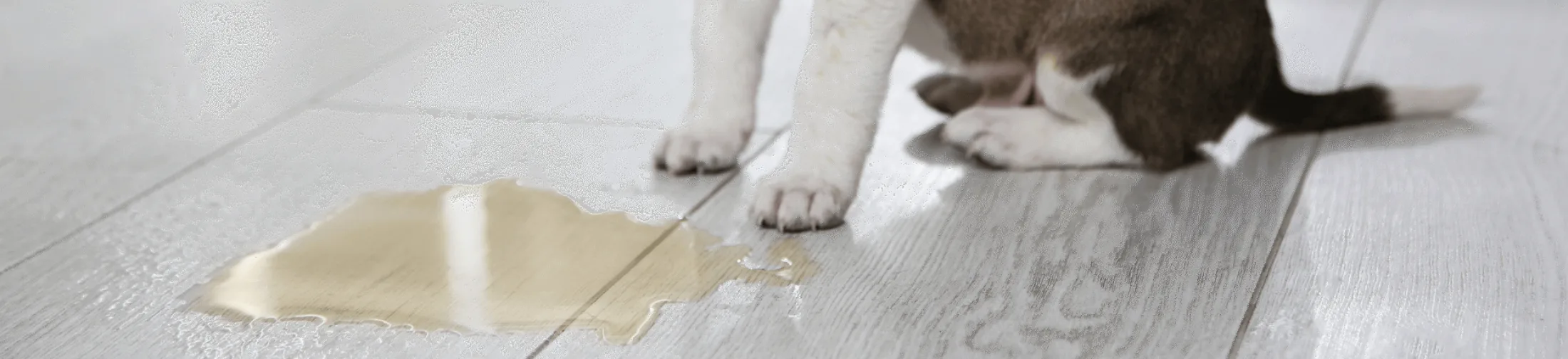

Behavior| House-soiling
House-soiling is a common behavioral problem in dogs and cats. It is important to rule out medical causes before initiating behavioral intervention. Treatment depends on the underlying trigger, such as stress, territorial behavior, or improperly learned elimination habits.
Spraying or urinating outside the litter box may result from stress, territorial behavior, or aversion to the litter box. Management includes behavioral assessment, environmental modification, improvement of litter box hygiene, and reduction of stressors.
In dogs, house-soiling often results from insufficient housetraining, medical issues, or separation anxiety. Treatment combines retraining, consistent routines, and reward-based behavior. In some cases, medical follow-up is required.


Behavior| Compulsive & abnormal behavior
Stereotypic behaviors, such as excessive licking or tail chasing, may indicate stress, frustration, or neurological factors. These behaviors often have a self-reinforcing nature, making early intervention important to prevent escalation.
Compulsive behavior develops when an animal repeatedly performs actions without a clear purpose. It may arise from boredom, stress, pain, or genetic predisposition. Treatment consists of behavior modification, environmental enrichment, and breaking the behavioral pattern. In some cases, medication is used as supportive therapy.

Internal medicine| Airways & lungs
Disorders of the airways and lungs often cause coughing, respiratory distress, or reduced physical condition. This section brings together the most important diseases and their treatment options.
Pneumonia is an inflammation of the lungs that may arise from infection, aspiration, or underlying disease. It often causes coughing, breathing difficulties, fever, and lethargy. Diagnosis is based on clinical examination and imaging. Treatment is directed at the underlying cause and supporting respiratory function.
Chronic bronchitis is a long-term inflammation of the lower airways. It commonly results in persistent coughing and may be accompanied by respiratory distress or reduced exercise tolerance. Diagnosis relies on clinical signs and additional diagnostic testing. Treatment focuses on reducing inflammation and supporting respiration.
In tracheal collapse, the trachea partially loses its structural rigidity and collapses during breathing. This can lead to coughing, respiratory distress, and exercise intolerance. Diagnosis is established through clinical examination and imaging, sometimes supplemented by fluoroscopy or endoscopy. Treatment ranges from medical management to surgical intervention, depending on severity.
Pleural effusion and lung masses can severely impair lung function. This often results in respiratory distress, coughing, and reduced exercise tolerance. Diagnosis is made using imaging and, when necessary, analysis of pleural fluid. Treatment depends on the underlying cause and may include drainage, medication, or surgery.


Internal medicine| Stomach & intestinal tract
Digestive problems are common and can range from mild complaints to chronic conditions.
Vomiting is a common complaint in pets and can have a wide variety of causes. It may indicate disorders of the gastrointestinal tract, but also systemic disease. The nature, frequency, and duration of vomiting provide important diagnostic clues. A targeted approach is required to correctly treat the underlying cause.
Diarrhea and constipation are common gastrointestinal problems in pets. They may be acute or chronic in nature and have diverse causes. Changes in frequency, consistency, and duration of feces provide important diagnostic information. An accurate diagnosis is necessary to initiate appropriate treatment.
Food intolerances and allergies can cause both gastrointestinal and dermatological signs. Typical symptoms include diarrhea, vomiting, pruritus, and ear infections. Diagnosis is usually made through an elimination diet. Treatment consists of avoiding the triggering dietary components.
IBD is a chronic inflammatory disorder of the intestines. It often causes persistent diarrhea, vomiting, and weight loss. Diagnosis requires specialized testing and exclusion of other causes. Treatment focuses on controlling inflammation and improving quality of life.
An intestinal obstruction occurs when intestinal passage is blocked, for example by a foreign body, tumor, or torsion. This can lead to severe abdominal pain, vomiting, and rapid deterioration of general condition. Diagnosis is based on clinical examination and imaging. Prompt medical or surgical intervention is often necessary to prevent life-threatening complications.

Internal medicine| Liver & pancreas
Liver and pancreatic disorders often present with vague clinical signs but can be serious. Here you can read about the key topics.
Elevated liver enzyme levels in the blood may indicate liver disease such as hepatitis or biliary tract disorders. They suggest that liver cells are damaged or under stress. Additional diagnostic testing is often required to identify the underlying cause. Further management depends on the specific condition and its severity.
Gallbladder disorders, such as a mucocele or infections, can cause serious health problems. They are often associated with abdominal pain, vomiting, and abnormal liver values. Diagnosis is based on blood tests and imaging, most commonly ultrasound. Depending on severity, medical or surgical treatment may be indicated.
Pancreatitis is an inflammation of the pancreas that can cause severe abdominal pain. The condition may be accompanied by vomiting, lethargy, and loss of appetite and can be life-threatening. Diagnosis is based on clinical signs, blood tests, and imaging. Treatment is supportive and focused on pain control, stabilization, and restoration of organ function.

Internal medicine| Kidneys & urinary tract
Kidney and bladder disorders are common and may be chronic or acute in nature. This section brings together the most important topics.
Renal insufficiency may develop acutely or gradually progress into a chronic condition. Both forms result in reduced excretion of waste products from the body. Clinical signs can range from lethargy and decreased appetite to severe systemic illness. Treatment depends on the type and severity and focuses on supporting renal function.
Urinary tract infections are a common cause of urinary complaints in pets. They may lead to increased frequency of urination, pain during urination, and sometimes blood in the urine. Diagnosis is based on urinalysis and, when indicated, culture. Treatment usually consists of targeted antibiotic therapy and follow-up.
Incontinence is the involuntary loss of urine and can have various causes. The condition occurs in both young and older animals. A targeted diagnostic approach is required to identify the underlying cause. Treatment depends on that cause and may be medical or supportive in nature.
Urinary abnormalities such as pollakiuria and dysuria indicate disorders of the urinary tract. They may be accompanied by pain, difficulty urinating, or changes in urine appearance. A thorough clinical examination and urinalysis are necessary to determine the cause. Treatment focuses on the underlying problem.
Bladder and kidney stones can obstruct urine outflow, resulting in acute obstruction. This may lead to pain, difficulty urinating, and severe systemic signs. Diagnosis is made using imaging and urinalysis. Depending on the situation, medical or surgical treatment is required.
Internal medicine| Hormonal system (endocrine)
Hormonal disorders often affect the entire body. This section brings together the most important diseases and their management.
Diabetes mellitus is a common metabolic disease in dogs and cats. The condition results from a deficiency of insulin or reduced sensitivity to insulin. Typical clinical signs include increased drinking and urination, weight loss, and lethargy. Treatment consists of insulin therapy combined with a tailored diet and regular monitoring.
Addison’s disease is a condition in which the adrenal cortex produces insufficient hormones. This can lead to lethargy, vomiting, diarrhea, and sometimes an acute, life-threatening crisis. Diagnosis is based on blood tests and specific hormonal assays. With appropriate hormonal therapy, the condition can be well controlled.
Cushing’s disease is a condition in which the body produces excessive amounts of cortisol. This may lead to symptoms such as excessive drinking and urination, hair loss, and muscle weakness. Diagnosis requires specific hormonal testing. Treatment focuses on reducing cortisol production and controlling clinical signs.
Thyroid disorders result from an underactive or overactive thyroid gland. Hypothyroidism and hyperthyroidism each cause characteristic clinical signs. Diagnosis is established through blood testing. Treatment is aimed at normalizing thyroid function.
Parathyroid disorders, such as hyperparathyroidism, affect the body’s calcium and phosphorus balance. These disorders can lead to bone abnormalities, muscle weakness, and other systemic signs. They are relatively uncommon but require precise diagnostic evaluation. Diagnosis is based on blood tests and additional imaging.


Internal medicine| Blood & lymphatic system
Disorders of the blood and lymphatic system affect oxygen transport, coagulation, and immune defense. This section provides an overview.
Anemia can have various causes, including infections, blood loss, or immune-mediated diseases. It often leads to lethargy, pallor, and reduced exercise tolerance. Diagnosis is established through blood testing. Treatment depends on the underlying cause.
Coagulation disorders are conditions in which normal blood clotting is impaired. They may result in spontaneous bleeding or an increased tendency to bleed following injury. Causes range from congenital abnormalities to acquired diseases. Diagnosis and treatment require targeted blood testing and appropriate therapy.
Enlarged lymph nodes may indicate infection, inflammation, or neoplastic disease. They can occur locally or be generalized. Evaluation is based on clinical examination and, when indicated, cytological or histological assessment. Further management depends on the underlying cause.

Internal medicine| Infectious diseases
Infections play a role in many internal diseases. This section brings together the main categories.
Fever of unknown origin is diagnosed when the cause of persistent fever cannot be readily identified. FUO may result from infectious, inflammatory, or neoplastic conditions. A systematic and often extensive diagnostic approach is required. The goal is to identify and treat the underlying cause.
Systemic infections are conditions in which pathogens spread throughout the body. They can lead to fever, lethargy, and involvement of multiple organs. Diagnosis often requires comprehensive blood testing and additional diagnostic procedures. Prompt and targeted treatment is essential to prevent serious complications.
Viral infections play an important role in various diseases in pets. Examples include FeLV, FIV, and FIP. These infections can compromise the immune system and cause a wide range of clinical signs. Diagnostics and follow-up are important for prognosis and ongoing management.
Bacterial infections can affect multiple organs and cause severe systemic illness. They are often accompanied by fever, lethargy, and organ-specific clinical signs. Diagnosis is based on clinical examination, blood testing, and sometimes culture. Treatment consists of targeted antibiotic therapy and supportive care.
Vector-borne diseases are transmitted by ticks or other insects. Examples include infections with Ehrlichia, Leishmania, and Borrelia. These conditions can cause a variety of clinical signs, such as fever, lameness, and weight loss. Treatment is directed at the specific pathogen and supportive care for the animal.


Neurology| Back & spine
The spinal column can be affected by a variety of conditions, ranging from disc herniation to instability or fractures. This section provides insight into the most common problems and their treatment options.
Conditions such as intervertebral disc disease (IVDD) or vertebral fractures can cause severe pain and neurological deficits. Clinical signs range from mobility problems to partial or complete paralysis. Diagnosis is based on neurological examination and advanced imaging. Depending on severity, a conservative approach or surgical intervention is chosen.

Neurology| Brain disorders
Brain disorders in pets can range from epileptic seizures to tumors or infections. This section brings together the most common conditions and their treatment options.
Epilepsy is a common neurological disorder in pets. It manifests as recurrent epileptic seizures with varying severity and duration. Diagnosis is based on medical history, clinical examination, and exclusion of other causes. Treatment usually consists of long-term medical therapy to control seizures.
Brain tumors can cause a wide range of neurological signs, depending on their location and size. Symptoms include behavioral changes, epileptic seizures, and coordination disorders. Diagnosis requires advanced imaging such as MRI or CT. Treatment may include surgery, medical management, or other targeted therapies.
In hydrocephalus, cerebrospinal fluid accumulates within the brain, leading to increased intracranial pressure. This can cause neurological signs such as behavioral changes, pain, or coordination disorders. Severity and progression vary between animals. Depending on the situation, medical treatment or surgical intervention may be indicated.
Infectious brain diseases may be caused by parasites such as Toxoplasma and Neospora, as well as by bacteria. These conditions often lead to neurological signs such as seizures, behavioral changes, and coordination disorders. Diagnosis requires targeted blood tests, imaging, and sometimes analysis of cerebrospinal fluid. Treatment depends on the causative agent and consists of targeted antimicrobial therapy and supportive care.
Neurology| Diagnostic investigations
To accurately diagnose neurological disorders, specialized diagnostic tests are required. In this section, you will discover which techniques are used and how they contribute to an accurate diagnosis.
A thorough physical and neurological examination forms the foundation for detecting neurological abnormalities. Posture, movement, reflexes, and pain perception are systematically assessed. The findings help determine the localization of the problem. This examination is essential for developing a targeted diagnostic and therapeutic plan.

Oncology| What is cancer in animals?
Cancer is a collective term for diseases in which body cells divide in an uncontrolled manner. The nature and severity vary widely depending on the type of tumor and the organ affected.
Benign tumors usually grow slowly, remain localized, and do not metastasize. Malignant tumors (cancer) invade surrounding tissues and can spread to organs such as the lungs, liver, or lymph nodes. Accurate differentiation between the two is essential for prognosis and treatment planning.
In dogs, common tumors include mast cell tumors, mammary tumors, lymphomas, and hemangiosarcomas. In cats, squamous cell carcinomas, mammary tumors, and lymphomas are among the most frequently diagnosed. Incidence varies by breed, age, and sex. Early detection increases the likelihood of successful treatment.
Oncology| How is cancer diagnosed?
Diagnosis always begins with a thorough clinical examination, followed by targeted tests to determine the tumor type and stage.
The veterinarian systematically examines the animal and assesses any swellings, lymph nodes, or organ enlargement. The goal is to localize suspicious lesions and plan further diagnostic investigations.
Imaging helps localize the tumor, determine its size, and detect possible metastases. Ultrasound is useful for soft tissues, radiographs for the lungs and skeleton, while CT provides more detailed information for complex or deeply located lesions.
A definitive diagnosis requires tissue examination. During fine-needle aspiration (FNA) or an incisional biopsy, cells or tissue samples are collected and examined by a pathologist. The results provide insight into the tumor type, grade, and aggressiveness, which guides further treatment decisions.

Oncology| Treatment options
The choice of treatment depends on tumor type, location, stage, and the animal’s overall condition. Multiple therapies are often combined to achieve the best possible outcome.
Surgical removal is the first-line treatment for many solid tumors, especially when metastasis has not occurred. Wide surgical margins reduce the risk of recurrence. In some cases, adjuvant radiation therapy or chemotherapy is recommended to address microscopic residual disease.
Chemotherapy is used for systemic tumors, such as lymphomas, or as an adjunct treatment following surgery. Dosage and treatment intervals are carefully tailored to minimize side effects. Many animals tolerate chemotherapy better than humans.
After treatment, regular follow-up remains important to detect recurrence or new lesions at an early stage. The comfort and well-being of the animal are always the primary focus. Appropriate nutrition and effective pain management contribute to a good quality of life.


Oncology| Frequently asked questions
After a cancer diagnosis, owners often have practical and emotional questions about prognosis, costs, and their pet’s quality of life.
In many cases, yes. Some tumors can be completely removed, while others can be kept under control long term with medication or therapy. The approach is always tailored to the individual patient.
Costs vary widely depending on the type of diagnostics and treatment. A transparent discussion beforehand helps owners make an informed decision.
When pain, breathing difficulties, or loss of appetite can no longer be adequately controlled, euthanasia may be a humane and compassionate choice. The veterinarian carefully guides owners through this process, with respect for both the animal and the people involved.


Ophthalmology| Eyelids
The eyelids protect the eye and ensure even distribution of the tear film. When their position or function is disrupted, this can lead to irritation, pain, or permanent damage to the cornea. Correction of eyelid disorders is usually surgical and aimed at restoring normal closure and protection of the eye.
In entropion, the eyelid rolls inward, causing the eyelashes or skin to rub continuously against the cornea. This leads to irritation, tearing, and pain, and may result in corneal ulcers. The condition can be congenital or acquired. Treatment consists of surgical correction of the eyelid to restore normal positioning.
Ectropion is the opposite of entropion: the eyelid turns outward, exposing the conjunctiva. This causes the eye to dry out and become more prone to inflammation. The condition occurs more frequently in certain breeds with loose skin. Treatment involves surgical shortening or tightening of the eyelid to restore adequate protection.
Cherry eye occurs when the gland of the third eyelid prolapses due to weakened supporting tissues. This results in a red, rounded mass in the inner corner of the eye. Because the gland is essential for tear production, it should be preserved. Therefore, it is surgically repositioned and secured rather than removed.
Eyelid tumors are common in older animals. Most are benign, but they can cause irritation or interfere with vision. Surgical removal is usually curative and is performed while preserving the natural shape of the eyelid.
In some cases, such as an irreversibly damaged eye, a malignant tumor, or uncontrollable pain, removal of the eye is necessary. This procedure is only performed when all other treatment options have been exhausted. Animals generally adapt well afterward and can maintain an excellent quality of life.

Ophthalmology| Cornea
The cornea forms the transparent outer layer of the eye and plays a crucial role in vision. Damage to the cornea causes pain, squinting, and excessive tearing. Rapid diagnosis and treatment are essential to prevent permanent blindness.
Corneal injuries result from trauma, dryness, or infection and range from superficial scratches to deep ulcers. Examination with fluorescein staining reveals the extent of the lesion. Treatment consists of medication to prevent infection and promote healing; in severe cases, surgical procedures such as grid keratotomy or placement of a conjunctival flap may be required.
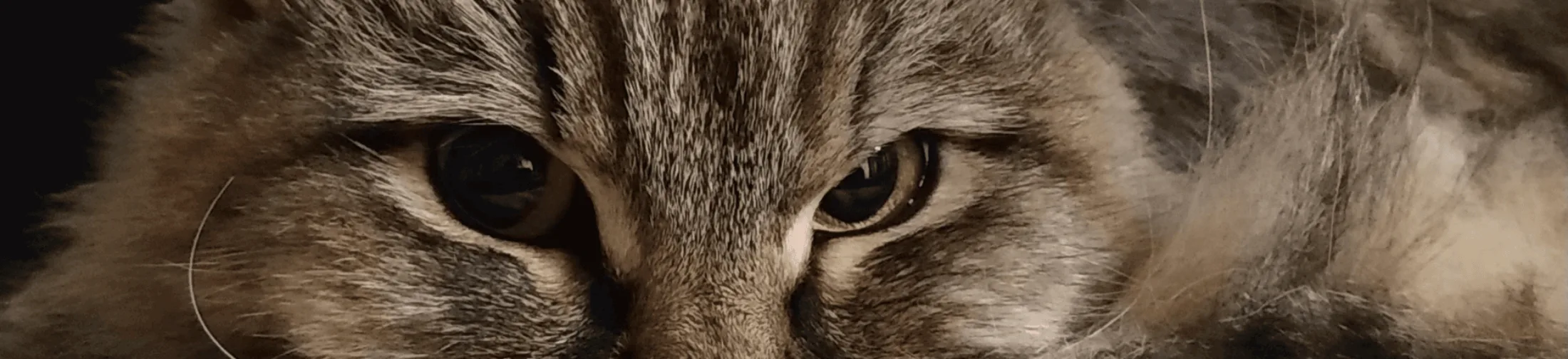

Ophthalmology| Lens & intraocular pressure
The lens and intraocular pressure together determine the clarity of vision. Conditions such as cataracts or glaucoma disrupt this balance and can rapidly lead to blindness if left untreated.
A cataract is a clouding of the eye’s lens that gradually reduces vision. It commonly occurs in older animals or as a result of diabetes. Diagnosis is made by ophthalmoscopic examination. The only effective treatment is surgical removal of the lens using a technique comparable to that used in humans.
Glaucoma is characterized by increased intraocular pressure, which can cause irreversible damage to the retina and optic nerve. Symptoms include pain, redness, and enlargement of the eyeball. Early diagnosis is crucial. Treatment combines pressure-lowering medication with, when indicated, surgical procedures to restore balance in aqueous humor dynamics.
Lens luxation refers to displacement of the lens due to rupture of its suspensory ligaments. This can cause acute pain and increased intraocular pressure. Prompt treatment is necessary to prevent vision loss; depending on the situation, medical management or surgical intervention may be required.

Ophthalmology| Tear production & tear ducts
Tears lubricate and protect the eye against dryness and infection. Disruption of tear production or drainage can quickly lead to irritation, inflammation, or excessive tearing. Tear production testing and inspection of the tear ducts help identify the underlying cause.
Keratoconjunctivitis sicca (KCS) results from insufficient tear production. The eye becomes dry, inflamed, and may turn cloudy. The condition is often chronic and requires lifelong treatment with eye drops that stimulate tear production and protect the ocular surface.
Obstruction of the tear duct prevents normal tear drainage, causing the eye to appear constantly moist or become inflamed. Diagnosis is performed using contrast flushing. Treatment consists of flushing the duct or surgically opening it.
When excessive tearing occurs, the cause is often irritation, allergy, or abnormalities of the eyelids or tear puncta. Tear overflow may cause brown discoloration around the eyes. Diagnosis focuses on identifying and eliminating the underlying source of irritation.
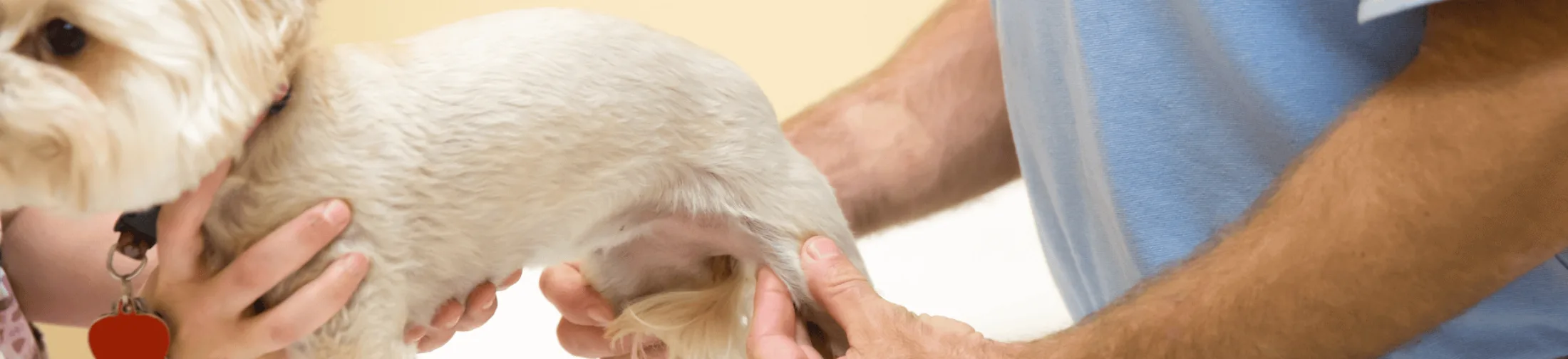

Orthopedics| Joints
Joint disorders in pets can cause pain, stiffness, and mobility problems. In this section, you can read how veterinarians diagnose these conditions, which treatment options are available, and how you can best support your pet’s mobility.
The shoulder in pets can be affected by various conditions such as OCD, instability, or biceps tendon injury. Abnormalities such as dysplasia, elbow incongruity, or injuries requiring reconstruction or biceps transposition may also occur.
Elbow disorders such as FCP, medial compartment syndrome, UAP, and Ununited Coronoid Process are common causes of lameness. Dysplasia and incongruity can also lead to pain and mobility problems.
Instability of the wrist (carpus) is one of the most common orthopedic problems affecting this joint. It can result from trauma, degenerative changes, or congenital abnormalities and often leads to pain, swelling, lameness, and loss of function. Depending on the severity and underlying cause, both conservative and surgical treatment options are possible, with the aim of improving comfort, stability, and limb function.
The hip can be affected by conditions such as hip dysplasia, hip luxation, or osteoarthritis. Treatments range from femoral head and neck excision to more advanced techniques such as DPO, total hip replacement, or JPS.
Knee problems are common in dogs and cats and are a frequent cause of lameness. Common conditions include ruptures of the cranial cruciate ligament, which can be treated using techniques such as TPLO, TTA, or CBLO. Patellar luxation is also regularly diagnosed. These conditions can cause pain and restricted movement and require tailored treatment.
Osteoarthritis, or degenerative joint disease, is a common condition in animals and often develops at an older age, but it can also occur following injury. It causes chronic pain, stiffness, and reduced mobility. Although osteoarthritis cannot be cured, various treatments can help alleviate clinical signs. Appropriate support and tailored management contribute to an improved quality of life.


Orthopedics| Fractures
Bone fractures or cracks require a prompt and targeted approach. In this section, you can read how fractures are diagnosed, which treatment options are available, and how the recovery process in animals is supported.
Traumatic fractures result from an accident and can be open or closed. They often cause pain, swelling, and loss of function of the affected limb. A rapid and accurate diagnosis is essential for optimal recovery. Treatment ranges from conservative immobilization to surgical stabilization, such as osteosynthesis.
Orthopedics| Growth and developmental disorders
In young animals, growth-related problems can lead to permanent abnormalities of bones or joints. In this section, you will learn how such disorders are identified, which treatments are available, and how timely care helps prevent complications.
In young animals, abnormal alignment of limbs or joints can lead to permanent orthopedic problems. These abnormalities may be congenital or develop during growth. A timely and accurate diagnosis is important to limit further damage. Depending on severity, both conservative measures and surgical corrections are possible.
Disturbances in calcium and phosphorus metabolism or a deficiency of vitamin D can lead to severe bone abnormalities during growth. These conditions affect bone development and increase the risk of pain, deformities, and fractures. An accurate diagnosis often requires blood tests and imaging. Treatment focuses on correcting the underlying metabolic disorder and supporting healthy bone growth.
Dysplasias such as hip dysplasia or elbow dysplasia are among the most common developmental disorders. Treatments range from surgical techniques such as FHO, DPO, JPS, and total hip replacement to procedures involving the shoulder or elbow.


Orthopedics| Immunological joint disorders
Some joint problems arise from dysfunction of the immune system. Here you can read how these conditions are recognized, which diagnostic tests are required, and how a treatment plan is developed to limit clinical signs.
Polyarthritis is a condition in which multiple joints become inflamed simultaneously. The cause may be idiopathic or immune-mediated, with the body’s own immune system attacking the joints. This often results in pain, stiffness, and lameness. Targeted diagnostics and an appropriate treatment plan are necessary to control inflammation and improve comfort.
Orthopedics| Infectious joint disorders
Bacteria or other pathogens can cause painful infections within joints. This section explains how veterinarians establish a diagnosis, which treatments are required, and what to expect during the recovery phase.
Tick-borne infections such as Ehrlichia, Borrelia (Lyme disease), and Anaplasma can cause joint inflammation and general signs of illness in animals. Clinical signs range from lameness and pain to fever and lethargy. Diagnosis is based on clinical signs, blood tests, and serological testing. Timely and targeted treatment is essential to prevent complications and promote recovery.
Bacterial infections such as septic arthritis and osteomyelitis can cause severe and permanent damage to joints and bones. They often arise following wound infections, surgery, or hematogenous spread of bacteria. Typical clinical signs include pain, swelling, fever, and pronounced lameness. Rapid diagnostics and intensive treatment are essential to limit further tissue damage.
Parasitic infections such as Leishmania can affect the musculoskeletal system and cause joint problems. The condition often results in chronic inflammation and may be accompanied by general signs of illness. Diagnosis is based on clinical signs combined with serological or molecular testing. Treatment is long-term and aimed at suppressing the parasite and managing clinical signs.
Fungal infections, such as those caused by Aspergillus, can lead to osteomyelitis, a severe infection of the bone. These conditions often cause pain, lameness, and sometimes general signs of illness. Diagnosis usually requires imaging and specific microbiological testing. Treatment consists of prolonged antifungal therapy and, in some cases, surgical intervention to control the infection.

Orthopedics| Amputations
In some cases, amputation is the best option to relieve pain and preserve quality of life. This may range from removal of an entire limb to smaller procedures such as amputation of digits, the tail, or parts of the jaw. The procedure is carefully considered from a medical perspective and is followed by appropriate pain management and aftercare. Animals often adapt remarkably well and can lead an active life after recovery.
Sometimes amputation is the only solution to allow an animal to continue living free of pain and with a good quality of life. This may involve removal of an entire limb, but also smaller procedures such as amputation of digits, the tail, or parts of the jaw. In this section, you can read how amputation is approached medically, how the recovery process proceeds, and how animals often learn to cope surprisingly well with the loss of a body part.

Dentistry| Dog & cat
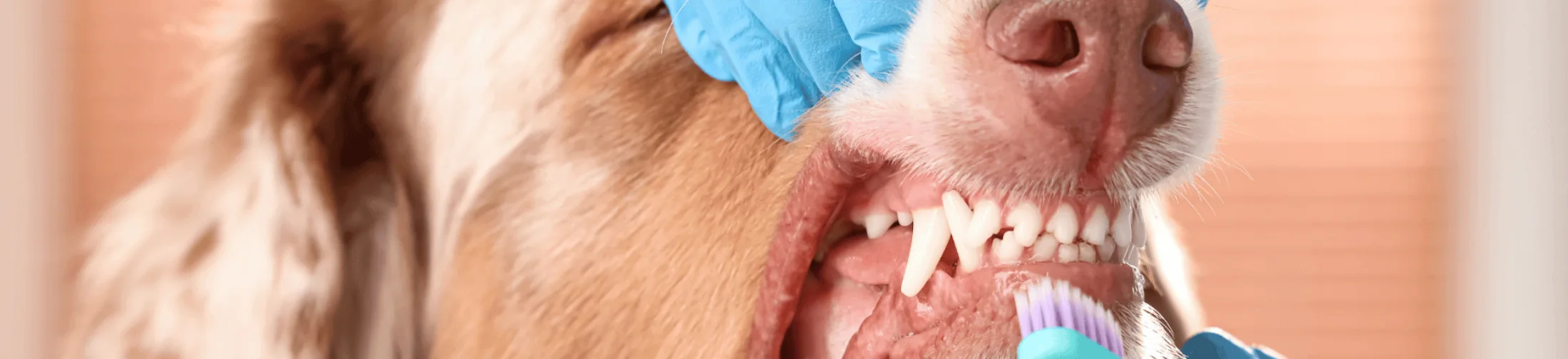
Dental disorders are common in dogs and cats, particularly tartar buildup, gingivitis, and tooth loss. Timely intervention helps prevent serious complications. Treatments range from professional dental cleaning to extractions or endodontic procedures, depending on the severity of the condition.
Tartar forms through mineralization of dental plaque and is the main cause of gingivitis and halitosis. During a dental cleaning, deposits above and below the gum line are removed. The procedure is performed under anesthesia and followed by polishing to slow the formation of new plaque. Regular cleaning helps prevent tooth loss.
When a tooth is severely affected by infection or jawbone destruction, extraction is the only solution. The procedure is performed under anesthesia with careful attention to pain management and aftercare. Extractions relieve pain and prevent the spread of infection.
Dental developmental disorders in dogs and cats arise during tooth development and may affect both deciduous and permanent teeth. Examples include delayed tooth eruption, retained deciduous teeth, abnormal tooth positioning, or enamel defects. These conditions can lead to pain, inflammation, feeding difficulties, and an increased risk of periodontal disease. Early detection and timely veterinary guidance are important to prevent permanent damage.


Dentistry| Rabbit & rodent
Dental problems in rabbits and rodents usually result from abnormal tooth wear, as their teeth grow continuously. Proper nutrition and regular dental check-ups are crucial to prevent pain, feeding problems, and jaw abscesses.
When the teeth of rabbits or rodents do not wear evenly, sharp edges or overgrown teeth develop, causing pain and difficulty eating. Treatment consists of trimming incisors and cheek teeth and correcting the bite.
Dental abscesses are localized infections around a tooth or tooth root, with accumulation of pus in surrounding tissues. They often result from tooth damage, periodontal disease, or underlying malocclusion. Animals may show pain, swelling, reduced appetite, and sometimes fever, although signs are not always obvious. Prompt and targeted treatment is important to prevent spread of infection and chronic complications.


Soft tissue surgery| Neck
The neck contains vital structures such as the thyroid gland, salivary glands, and esophagus. Surgery in this area is often delicate and requires the utmost precision.
Disorders of the salivary glands, such as cysts, chronic inflammation, or a ranula, can lead to swallowing difficulties and painful swellings within the oral cavity. When drainage or medical management does not provide lasting results, complete removal of the affected gland and its duct may be required. In cases of ranula, marsupialization may also be performed, in which the cyst is surgically opened to allow permanent drainage. The procedure is generally successful and helps prevent recurrence. Postoperative care focuses on pain management and wound healing within the mouth.


Soft tissue surgery| Abdominal cavity
The abdominal cavity contains numerous organs, meaning that surgery in this area can involve a wide range of procedures, from hernia repair to emergency operations for internal bleeding.
An inguinal hernia occurs when abdominal contents, such as fat or intestines, protrude through an opening in the abdominal wall at the level of the groin. If incarceration occurs, the condition can quickly become life-threatening. Surgical repair involves repositioning the contents and closing the defect. This procedure prevents recurrence and complications. It is seen more frequently in intact female dogs.
An umbilical hernia is often detected in puppies as a soft swelling on the abdominal wall. Small hernias may close spontaneously, but larger defects carry a risk of organ incarceration. Surgical closure is the safest approach. The procedure is relatively straightforward and generally has a good prognosis. In breeding animals, sterilization is often performed at the same time to prevent hereditary transmission.

Soft tissue surgery| Stomach and intestinal system
The digestive system can be severely disrupted by obstructions, torsions, or tumors. Surgery is often necessary to restore normal passage and function.
When a pet ingests a foreign object, this can lead to obstruction of the stomach or intestines. Depending on the location, a gastrotomy, enterotomy, or colectomy may be performed. Timely removal prevents serious complications such as perforation or peritonitis. Postoperative recovery is generally good, provided no tissue necrosis was present.
Gastric dilatation-volvulus (GDV) occurs when the stomach becomes distended and then twists on its axis. This compromises blood supply and creates an acute, life-threatening situation. Clinical signs include abdominal distension, restlessness, and unproductive retching. Treatment consists of emergency surgery in which the stomach is repositioned and secured (gastropexy). Intensive postoperative monitoring is essential for survival.
Soft tissue surgery| Kidneys & urinary tract
Surgery of the urinary tract focuses on restoring urine flow, removing stones or tumors, and treating congenital or acquired abnormalities of the kidneys, bladder, and urethra.
The most common indication for bladder surgery is removal of urinary stones or tumors. During a cystotomy, the bladder is opened, the cause is removed, and the mucosa is meticulously closed. Postoperative care includes fluid therapy and monitoring of urine output. Prognosis is generally excellent.

Soft tissue surgery| Reproduction & reproductive surgery
Surgery in this field focuses on disorders of the uterus, ovaries, testicles, and prostate, as well as congenital abnormalities and reproductive problems.
Spaying (ovariohysterectomy or ovariectomy) in female dogs and cats prevents unwanted pregnancy, estrus cycles, and hormonal disorders such as pyometra. In male dogs and cats, neutering reduces undesirable behavior and the risk of prostate disease. The procedure is performed under general anesthesia, and recovery is usually uneventful.
A cesarean section is indicated in cases of dystocia, large litters, or an abnormally narrow pelvis. Prompt intervention helps prevent mortality in both the dam and offspring. The procedure involves a controlled incision into the uterus, after which the puppies are safely delivered. Postoperative care includes wound management and lactation support.
Uterine infection is a serious hormonal condition in intact female dogs. Surgical removal of the uterus and ovaries is the only curative treatment. Without rapid intervention, sepsis may develop. Postoperatively, antibiotics and fluid therapy are administered.
Soft tissue surgery| Emergency surgery
Emergency surgery is required for life-threatening conditions such as hemorrhage, torsion, or organ rupture. Rapid diagnosis and decisive action are crucial.
In cases of traffic accidents or bite wounds, multiple organs and tissues may be damaged simultaneously. Patient stabilization is the first priority, followed by surgical repair of vital structures. Management is often multidisciplinary.
In cases of internal bleeding, for example due to splenic rupture or a lacerated liver, the source of hemorrhage must be rapidly identified and controlled. Hemostasis and restoration of circulating volume are central to treatment. Timely intervention helps prevent organ failure.
These conditions are among the most urgent emergencies in veterinary medicine. Surgical intervention must take place immediately after stabilization.